







Search Results for: siphon effect
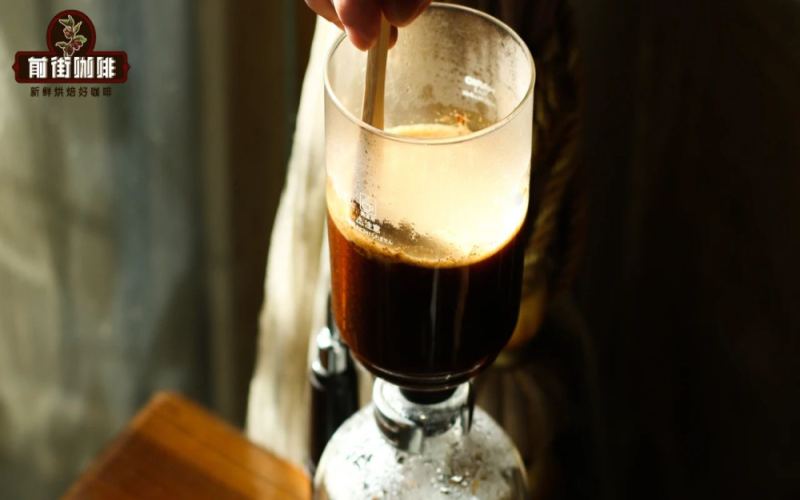
How to Choose the Grind Size for Siphon Coffee? A Detailed Explanation of Flavor Differences in Extraction with Different Grind Sizes
The siphon brewer, with its unique vapor pressure differential and siphon principle, has become a beloved brewing tool for many coffee enthusiasts. But whether the grind should be coarse or fine has always been a puzzling question for many. This article, from the perspective of Front Street, systematically introduces the structure and extraction mechanism of the siphon brewer, and focuses on comparing the effects of different grind sizes on coffee flavor, helping you find the parameters that suit you best in actual practice. Whether you are a beginner just getting to know the siphon brewer or a seasoned hand looking to refine your technique, you will find practical reference here. [more…]
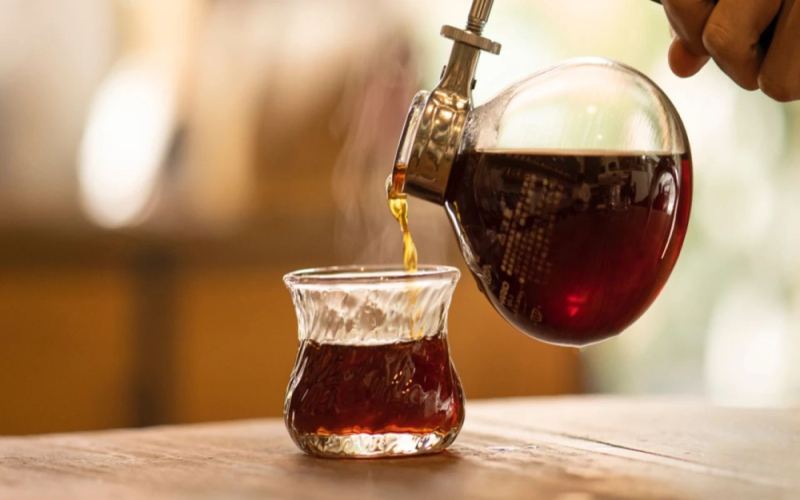
Siphon vs. Pour-Over Coffee: How Extraction Principles and Filtration Methods Affect Flavor and Taste
Siphon coffee and pour-over coffee are both classic methods for brewing single-origin coffee, yet they deliver strikingly different results in body and flavor. Pour-over is known for its clean, bright, and well-layered cup, while the siphon excels in rich, full-bodied depth and intense aroma. The root of this difference lies in the combined effect of the extraction method and the filtration system: the siphon uses a constant-temperature immersion extraction, combined with a flannel cloth filter that retains oils and fine particles, resulting in a heavier, more substantial brew; pour-over, on the other hand, relies on a drip method with a continuous supply of fresh hot water and uses high-density paper filters to trap impurities, producing an exceptionally clean cup. This article will analyze in depth, from the two dimensions of extraction principle and filtration method, why these two brewing methods bring such different taste experiences, and will include Front Street Coffee's bean selection recommendations to help coffee enthusiasts better understand and choose the brewing method that suits them. [more…]
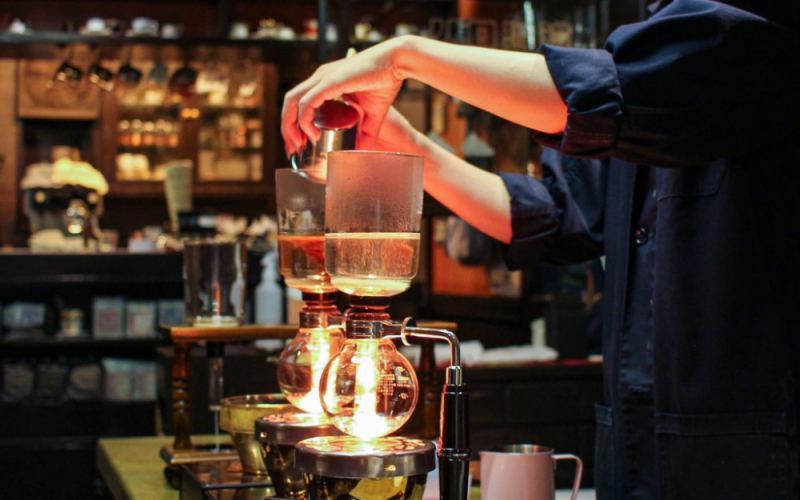
Siphon Coffee Brewing Guide: Extraction Principles, Suitable Bean Types, and Coffee-to-Water Ratio Analysis
The siphon pot, with its unique distillation-style extraction, delivers a fuller, more robust mouthfeel and richer aroma than pour-over. From the perspective of Front Street, this article systematically breaks down the siphon pot's extraction principles, structural components, and suitable coffee bean types, and offers a detailed analysis of key parameters such as the coffee-to-water ratio, timing of adding grounds, stirring technique, and judging when to cut off the heat. It also includes a complete eight-step operating procedure to help coffee enthusiasts consistently reproduce at home a cup of siphon coffee that combines nutty notes with a full body. Whether you are a beginner just getting to know the siphon pot or an experienced player looking to refine your technique, you will find practical, actionable advice here. [more…]
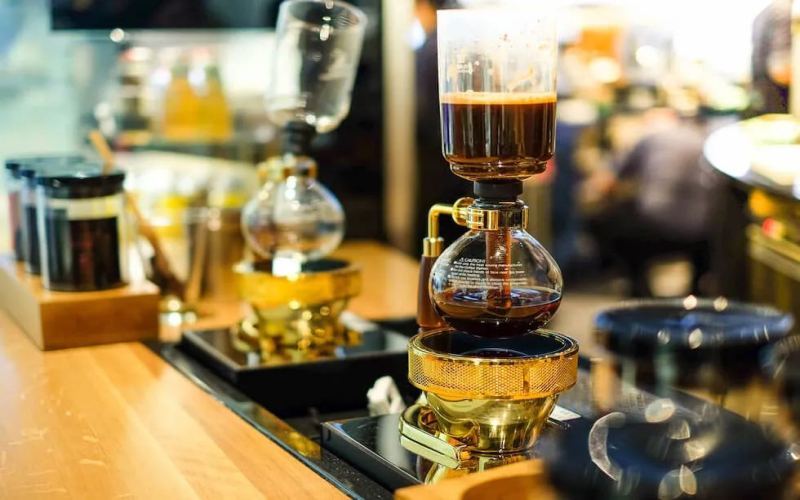
Which beans are suitable for siphon coffee? A full guide to the brewing process and buying prices
The siphon brewer, with its chemistry-lab-like appearance and unique pressure-differential extraction method, has always held a place in the coffee world. It can deliver both rich, full-bodied flavors and delicate, nuanced ones—the key lies in choosing the right coffee beans and mastering the operational details. This article will start with the structure and principles of the siphon brewer, gradually break down the brewing steps, and recommend several coffee beans from the Front Street Coffee list for different flavor preferences, helping you make an ideal cup of siphon coffee. [more…]
A Comprehensive Analysis of Siphon Coffee: From Extraction Principles to Brewing Details, Mastering the Key to Consistently Delicious Coffee
The siphon brewer, with its laboratory-equipment appearance and unique vacuum extraction method, has long been a favorite among coffee enthusiasts. It works by heating the lower chamber to generate steam pressure, pushing hot water up into the upper chamber to meet the coffee grounds; after the temperature drops, the pressure difference draws the coffee liquid back down into the lower chamber, resulting in a round, balanced cup. From the perspective of Front Street, this article systematically explains the siphon brewer's structural components, filtration and heating methods, grind size and coffee-to-water ratio, the timing for adding grounds, stirring techniques, and how to judge when to turn off the heat, along with a complete eight-step procedure to help you consistently brew a delicious cup of siphon coffee at home. [more…]
Detailed Siphon Coffee Brewing Steps: From Equipment Principles to Coffee-to-Water Ratio and Brewing Demonstration
With its unique appearance resembling chemical apparatus, the siphon pot carries a retro and mysterious style among many coffee brewing devices. For coffee professionals, the focus always remains on its operation method and the final flavor performance. This article will start with the structure and extraction principle of the siphon pot, explain in detail the choice of heat source and filter material, then use 18 grams of powder, a 1:10 coffee-to-water ratio, and 88°C water temperature as parameters to demonstrate the complete brewing process of siphon coffee step by step, and attach coffee bean recommendations suitable for siphon pots, including several classic single-origin coffees on the Front Street Coffee bean list, helping coffee lovers stably produce a cup of siphon coffee with rich aroma and mellow taste at home. [more…]
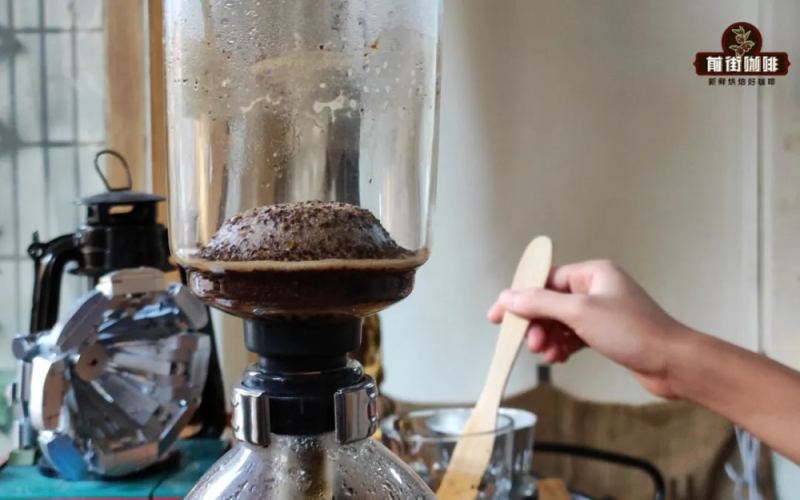
Analysis of the Causes of the Final Small Hill in Siphon Coffee: A Comprehensive Explanation of Stirring Techniques and Common Misconceptions
When brewing siphon coffee, after turning off the heat, stir with a stirring rod in one direction; as the coffee liquid flows back down into the lower chamber, the grounds layer in the upper chamber often rises into a rounded "little hill." Many people regard this action as an essential finishing move in siphon brewing, and some even say, "the taller the hill, the better the taste." Front Street Coffee will break down this phenomenon from the level of principle: what exactly is the purpose of stirring in one direction? How does the little hill form? And what factors affect its height? It will also explain that the presence or absence of the hill is not a criterion for judging whether coffee tastes good. It is essentially just one of many siphon techniques, and understanding the logic behind it is more important than blindly imitating it. [more…]

How to brew a delicious cup of Robusta coffee beans with a siphon pot? A detailed explanation of flavor characteristics and key operational points
Robusta coffee is often misunderstood as a synonym for poor quality, but it actually has irreplaceable value in terms of body and espresso blends. From the perspective of Front Street Coffee, this article systematically sorts out core knowledge about Robusta, including its variety classification, flavor characteristics, caffeine and chlorogenic acid content, and explains in detail how to brew Front Street Robusta coffee beans with a siphon, including grind setting, coffee-to-water ratio, and staged stirring steps, helping coffee enthusiasts gain a comprehensive understanding of this coffee variety and master practical brewing methods. [more…]

Moka Pot vs. Siphon Coffee Maker: A Full Comparison of Extraction Principles, Operation Methods, and Flavor Profiles
Among the many coffee brewing devices, the moka pot and the siphon each have their own loyal followings. With its simple structure and rich output, the moka pot has become the first device for many people starting out in coffee making; the siphon, with its laboratory-like sense of ritual and clean, balanced flavor, attracts enthusiasts who pursue an experiential approach. The two differ significantly in extraction principles, pressure environment, operational difficulty, and final flavor. Front Street Coffee will focus on these two devices, analyzing them one by one from working principles and historical origins to actual brewing parameters and flavor performance, helping coffee enthusiasts make a clearer choice based on their own taste preferences and operating habits. [more…]
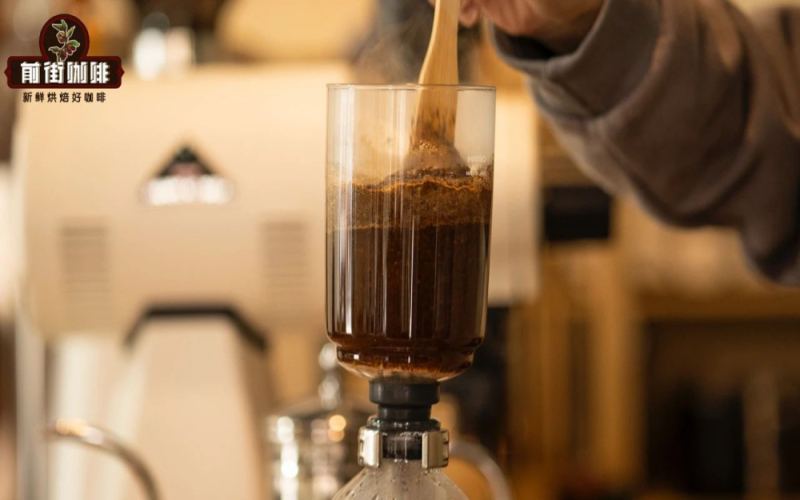
Is siphon coffee good? A complete interpretation from its invention history to the flavor characteristics of the siphon pot.
The siphon coffee maker has a classical design, reminiscent of the scientific instruments found in laboratories a century ago, and it has a history spanning approximately two centuries. It uses the principle of vacuum siphoning to extract coffee, and its higher extraction temperature allows it to quickly release the essence of the coffee, delivering a fuller body and a more pronounced bitterness. This article will guide you through the origins of the siphon brewer, the story behind its name—why it is also called the "siphon pot"—and its flavor characteristics. For coffee enthusiasts who pursue a rich, full-bodied taste, the stainless steel filter or flannel cloth brewing methods recommended by Front Street Coffee can better preserve the coffee oils and showcase the uniquely smooth texture of the siphon brewer. [more…]
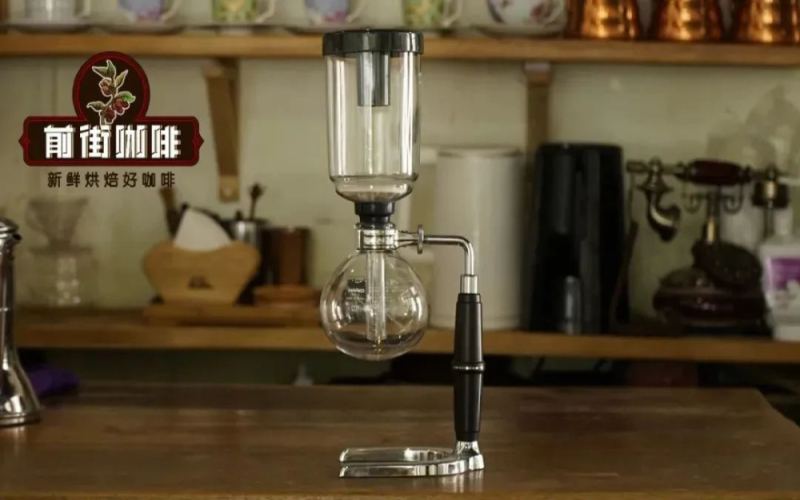
Siphon Coffee Brewing Tutorial: From Principles to Operational Steps, a Comprehensive Guide to Using a Siphon Brewer
The siphon pot, with its unique siphon principle and highly ceremonial operation, has always carried a sense of mystery in the hearts of coffee enthusiasts. Many people are deterred by it, believing that it has a high operating threshold and a cumbersome process, but in fact, as long as you master the core points, you can easily make a rich and full-bodied siphon coffee at home. Starting from the practice of Front Street Coffee, this article will systematically introduce the working principle, structural composition, filtration system, and complete method of use of the siphon pot, helping readers understand the differences in flavor expression between the siphon pot and pour-over coffee, and master the techniques for correctly operating this classic device. [more…]
An Analysis of the Mechanism, Timing, and Practical Key Points of the Bloom in Pour-Over Coffee
Blooming is a frequently mentioned yet easily misunderstood step in coffee extraction. Starting with the pre-infusion design of segmented water-feed coffee machines, this article explains the principle by which blooming enhances extraction and locks in aroma, while pointing out that manually imitating blooming on household machines without a segmented function actually causes a loss of the essence. The article further introduces blooming methods for various devices such as pour-over, American drip, Belgian Royal brewer, and siphon, and, drawing on experience supplying meals to cafés, explains the changes in coffee aroma and smoothness after blooming, for the reference of coffee enthusiasts. [more…]
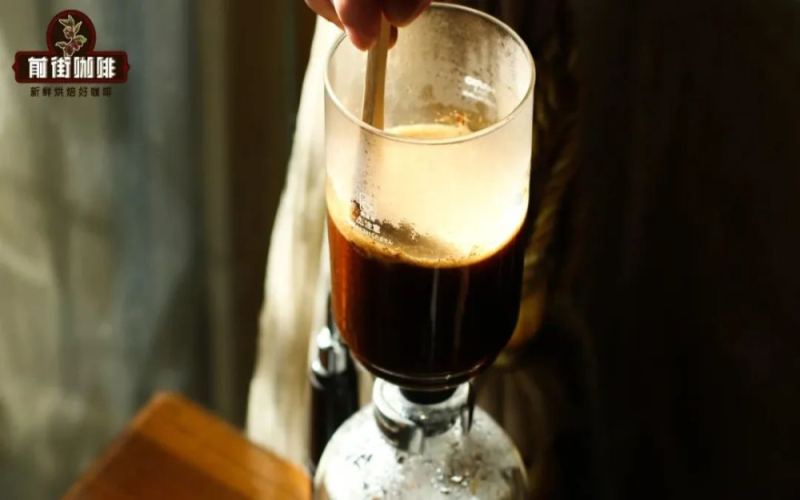
Why is siphon coffee gradually being replaced by pour-over? And which is the most well-known siphon brand in Japan?
The siphon pot, once a staple of specialty coffee shops, now seems to be quietly fading into the background. This brewing device, with its distinctly laboratory-like air, predates pour-over coffee by nearly a hundred years, and it was in Japan that it truly flourished, giving rise to a unique Japanese siphon aesthetic. Yet, in an era where fruity acidity has become mainstream and efficiency is paramount, why has the siphon pot lost out to pour-over? And who is Japan's most renowned siphon pot brand? This article will take you through the origins and popularity of the siphon pot, analyze the core reasons it was replaced by pour-over, and preserve Front Street's observations and recommendations regarding this classic device. [more…]
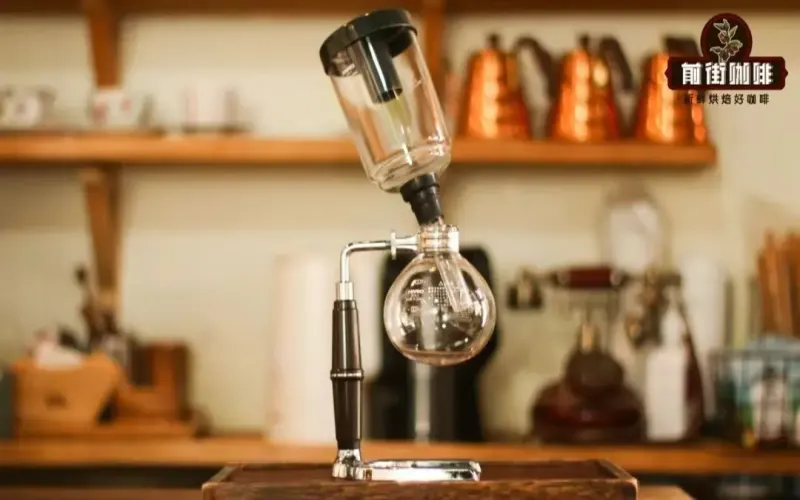
Siphon Coffee vs. Pour-Over Coffee: A Comparative Analysis of Extraction Principles, Flavor Characteristics, and Parameter Recommendations
Many coffee enthusiasts believe that coffee brewed with a siphon pot is richer and more aromatic than pour-over. Where exactly does this difference come from? This article will start with the structure and operation process of the siphon pot, analyze how its immersion-style extraction and filtration method affect flavor, and use a comparative example of Front Street Jamaica Blue Mountain No. 1 to intuitively present the differences between siphon and pour-over in mouthfeel, aroma, and cleanliness. At the same time, the article will also share ideas on suitable coffee beans, water temperature, and ratios for the siphon pot, helping you understand and use this device—which combines ritual and visual appeal—more systematically. [more…]
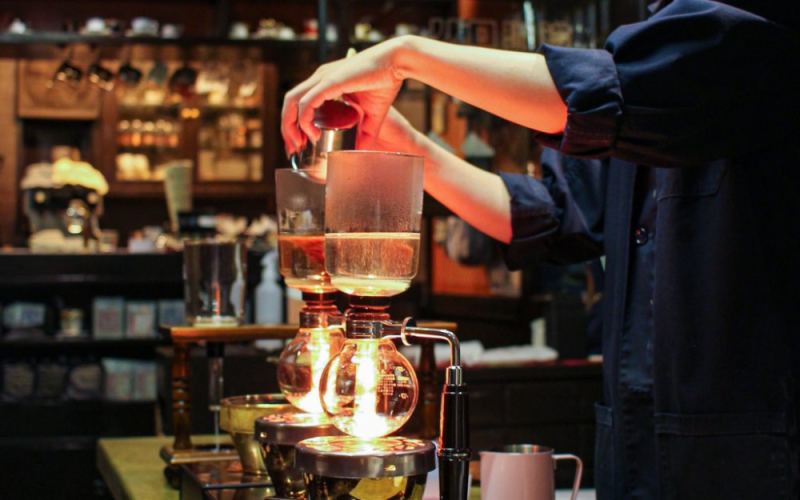
How a Siphon Works | What Makes Up the Structure of a Siphon Coffee Maker? How Do You Brew Coffee with a Siphon? What Are the Key Points for Making Siphon Coffee?
The siphon pot, with its appearance resembling laboratory equipment, is a coffee brewing tool that extracts coffee by utilizing pressure changes caused by steam and the siphon principle. It first appeared in Europe, and the trademark registration for the siphon pot was owned by a French lady, Marie Fanny Amelne Massot, exquisite [more…]
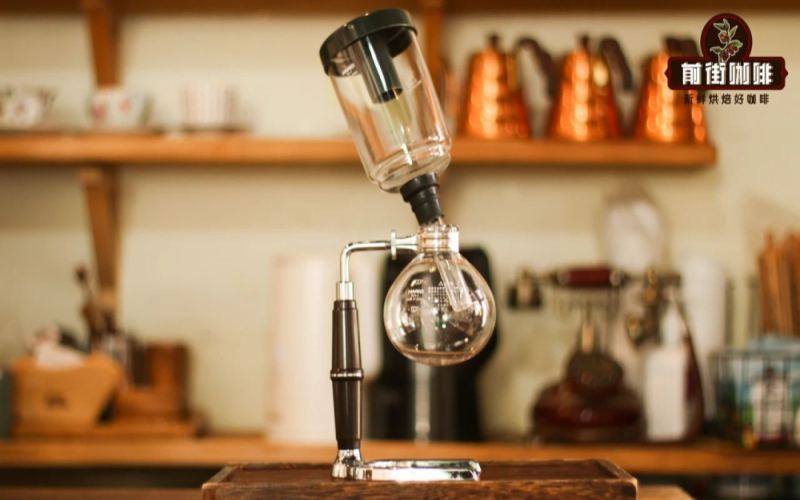
What Type of Coffee Beans Are Suitable for a Siphon? Front Street Explains the Siphon Brewing Process and Key Operating Points in Detail
Some people love the speed of a drip coffee maker, some are drawn to the clean, layered clarity of pour-over, but the siphon (syphon) brewer stands apart in the coffee world with its rich, full-bodied taste and intense aroma. It works by heating the lower chamber to create steam pressure, pushing hot water up into the upper chamber where it fully mingles with the coffee grounds, then drawing the brew back down into the lower chamber by vacuum as it cools—a process that is both romantic and full of ritual. The history of this device dates back to the early nineteenth century, nearly a hundred years earlier than pour-over. Although it is no longer commonly seen in specialty coffee shops today, the unique flavor brewed with a siphon still lingers in the minds of many enthusiasts. In this article, Front Street Coffee will guide you through the origins, structure, and filtration system of the siphon brewer, and share the steps and key details of the actual process, helping you brew a rich, full-bodied cup of siphon coffee at home. [more…]
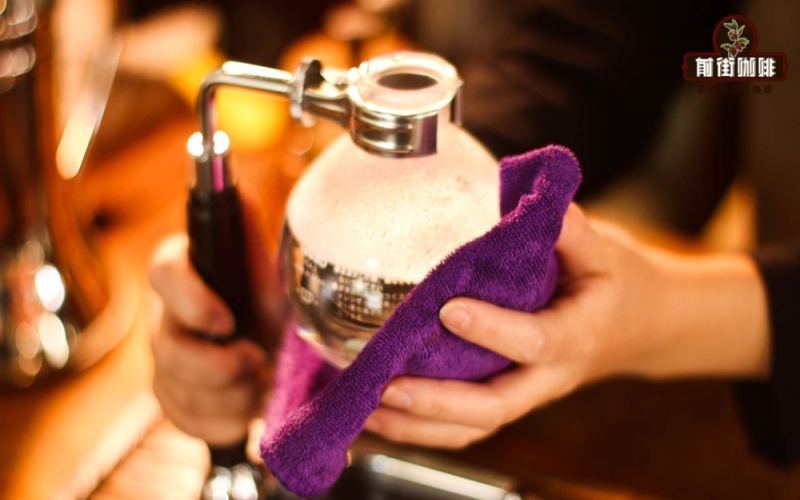
Siphon Coffee Brewing Complete Guide: From Historical Origins to Extraction Parameters and Step-by-Step Instructions
Brewing coffee with a siphon is both a test of patience and a highly ceremonial experience. From grinding the beans and steeping to controlling the heat, every step requires full concentration—even a slight deviation can affect the flavor. From the perspective of Front Street Coffee, this article systematically sorts through the origins and evolution of the siphon, the derivation of the name "siphon pot," and the differences in flavor compared with pour-over coffee, while explaining in detail the extraction parameters, stirring techniques, selection of backup tools, and the complete operating process. Whether you are a beginner who has just encountered the siphon or an enthusiast looking to refine your technique, you will find practical references here. [more…]
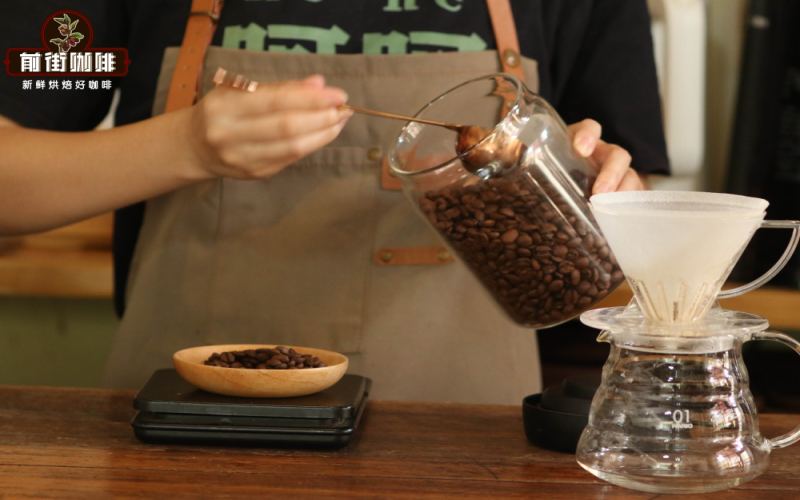
Comparative Analysis of the Extraction Principles and Flavor Profiles of Siphon and Pour-Over Brewers
Pour-over and siphon are two common specialty coffee brewing methods. Although both can express a coffee's terroir, their different extraction principles and filtration media mean the final cup emphasizes different aspects of taste. This article systematically compares siphon and pour-over brewers, from their historical origins and brewing principles to operating parameters and actual tasting. Pour-over uses paper filtration, giving a clean flavor with rich layers; siphon relies mainly on immersion and flannel filtration, producing a full-bodied, balanced taste. The article also uses Front Street Yemen Mocha brewed both ways, with specific parameters and flavor descriptions, to help coffee lovers more intuitively understand the differences between the two and find a brewing style that suits them. [more…]
The Origin of the Syphon's Other Name "Siphon Pot" and Operating Techniques: A Full Analysis from Construction Principles to Extraction Parameters
The siphon coffee maker, also known as the syphon, originated in Germany and relies on heating the lower chamber to create pressure that pushes water up to the upper chamber to complete the extraction. It is very popular in Japan, and in recent years it has gradually attracted the attention of coffee enthusiasts in China. This article will start with the structure of the siphon and the extraction principle, introduce the choice of heat source and filter material, and use Front Street Brazil Queen's Estate coffee beans as an example to demonstrate in detail the brewing parameters and operating steps such as water temperature, grind size, coffee dose, and coffee-to-water ratio. Finally, it will recommend coffee beans suitable for siphon extraction, helping readers fully master the essentials of making siphon coffee. [more…]
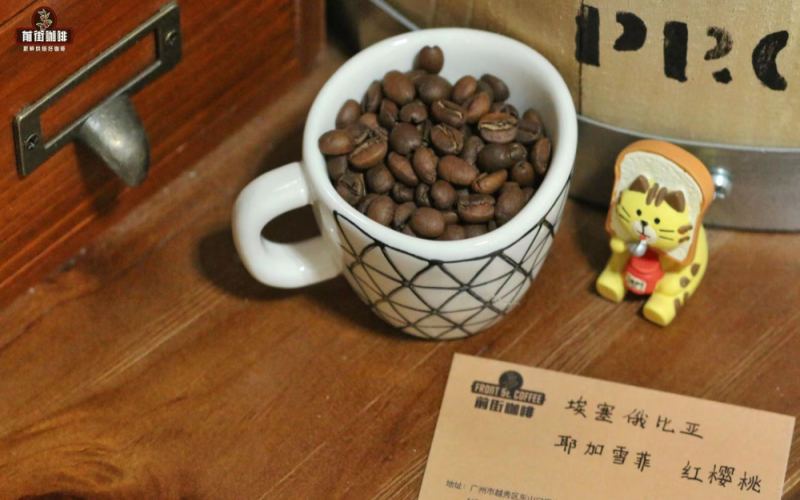
Siphon Coffee Brewing Principles | How to Make Delicious Siphon Coffee? Which Coffee Beans Are Suitable for Siphon Brewing?
In many people's minds, siphon coffee makers have a unique shape akin to chemical apparatus, and they always appear in period films and TV works, giving people a sense of mystery. As a practitioner in the coffee industry, Front Street Coffee naturally values most the use of the siphon brewer and the flavor characteristics of the coffee it brews. Hong [more…]